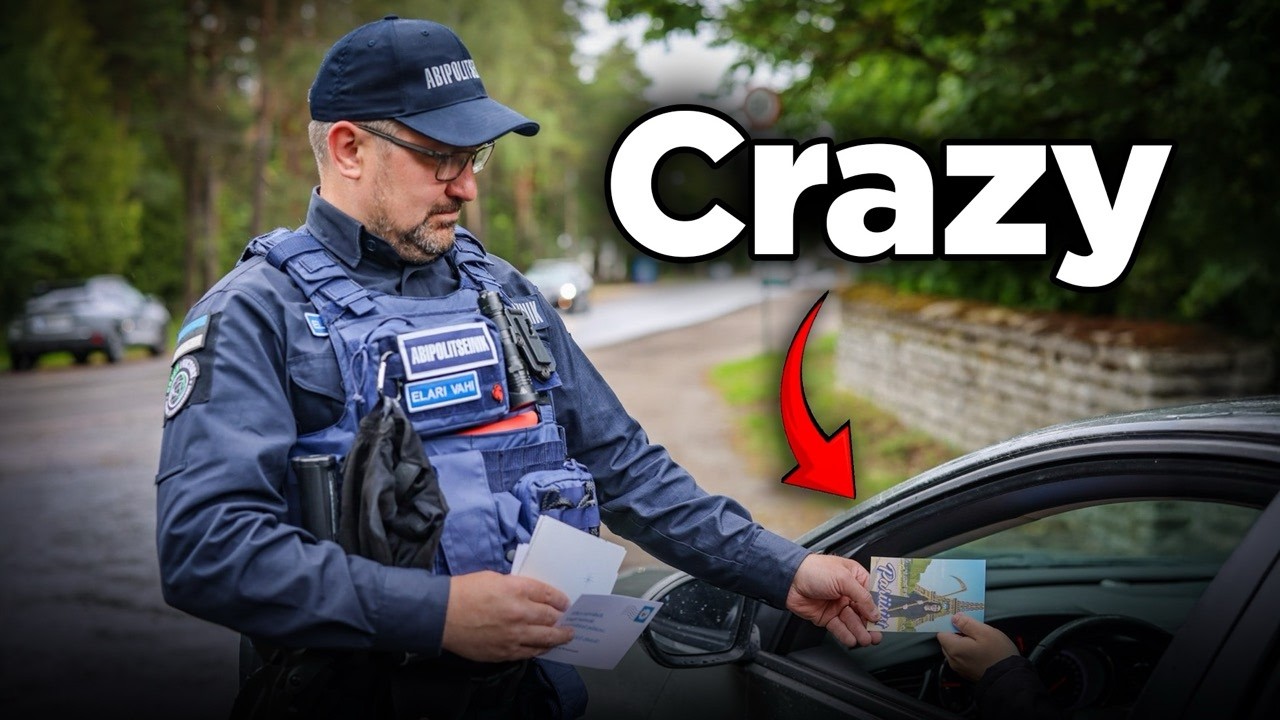

Crazy Laws in Estonia That Actually Make Sense
At first glance, Estonia can feel like a place full of contradictions. It brands itself as digital, modern, and Nordic—yet some of its laws sound oddly old-fashioned, strict, or just plain weird.
Pedestrians are required to glow in the dark.
Happy hour is illegal.
Alcohol has to be hidden in supermarkets.
Speeding might earn you a “time-out.”
And yes—if you don’t name your baby, the government technically can.
And yet, once you understand the context, these laws reveal something important about life in Estonia: most of them exist for practical, data-driven reasons. They aren’t about control. They’re about reducing harm.
Here’s why Estonia’s strangest laws actually make a lot of sense.
1. Pedestrians Must Wear Reflectors at Night
In Estonia, walking outside after dark without a reflector is illegal. If police stop you, the fine can reach around €40.
To outsiders, this sounds absurd. To locals, it’s normal.
Estonian winters are long, dark, and unforgiving. In the early 1990s, pedestrian accidents at night were alarmingly common. Visibility was the problem—not reckless drivers alone, but invisible walkers.
So in 1992, Estonia made reflectors mandatory.
A small plastic reflector can be seen from hundreds of meters away. The result? Night-time pedestrian fatalities dropped dramatically. Police often hand out free reflectors instead of fines, but the rule itself has become second nature.
In everyday life in Estonia, glowing at night isn’t quirky—it’s survival.
2. Happy Hour Is Illegal
There are no two-for-one cocktails in Estonia. No discounted drinks from 5 to 7. No “buy now before it’s gone” alcohol promos.
Happy hour is banned.
This law came into force in 2018 as part of a broader public-health push to reduce alcohol abuse. The statistics behind it are sobering: in 2022, Estonia recorded 753 alcohol-related deaths, compared to just 50 traffic fatalities.
Alcohol, not cars, was killing people.
The idea is simple. Time-limited discounts encourage binge drinking. Remove the incentive, reduce the harm.
Bars weren’t thrilled, of course. Some tried loopholes—offering the same low price all day instead. That’s legal. What’s not allowed is urgency-based alcohol promotion.
It’s strict, yes—but within the reality of life in Estonia, it’s a response to a very real problem.
3. The Hidden Alcohol Aisle
If you’ve ever shopped in an Estonian supermarket, you might notice something odd: alcohol isn’t visible from the entrance.
That’s not an accident. It’s the law.
All alcohol must be placed in a separate section, hidden from direct view. When the rule was introduced around 2018, many supermarkets had to remodel—adding walls, frosted glass, or maze-like layouts.
The goal? Reduce impulse buying.
If you don’t see alcohol while grabbing milk or bread, you’re less likely to buy it out of habit. Over time, shoppers adjusted. Today, it’s just another quiet feature of life in Estonia—unremarkable, but intentional.
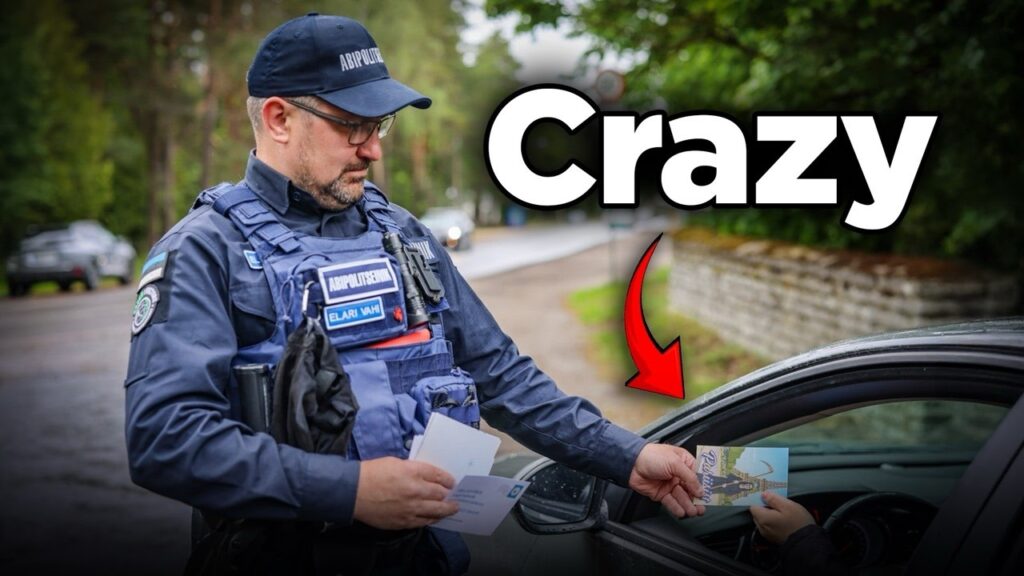
4. Speeding Can Get You a Time-Out
This one sounds like a joke, but it’s real.
Instead of a fine, Estonian police may offer speeding drivers a choice:
pay the fine—or sit by the roadside for 45 minutes and think about what you did.
The idea was tested starting in 2019. Authorities noticed that higher fines weren’t stopping repeat offenders. For some drivers, fines were just the “price” of speeding.
So they tried psychology instead.
Time-outs are inconvenient, boring, and oddly humiliating. They disrupt schedules and force reflection. The practice isn’t widespread—it requires extra resources—but it’s used during special campaigns, such as school-season traffic enforcement or major events like Rally Estonia.
Whether it becomes standard practice or not, it shows something important about life in Estonia: punishment isn’t always about money—it’s about behavior change.
5. Name Your Baby—or the Government Might
In Estonia, parents have 30 days to register their newborn’s name. You can request one extension. After roughly two months, the child must legally have a name.
If not, the local government has the authority to assign one.
This law sounds extreme, but it exists for administrative clarity. Every resident must exist in the system—named, registered, identifiable.
In practice, authorities almost never have to intervene. The law exists to handle rare edge cases, like unregistered home births that slipped through the system for years.
It’s a reminder that life in Estonia runs on order. Paperwork matters. Identity matters. And yes—you should probably decide on a name sooner rather than later.
What These Laws Say About Life in Estonia
Individually, these laws sound strange. Together, they tell a consistent story.
Estonia prioritizes:
Public safety over convenience
Long-term outcomes over short-term comfort
Prevention over punishment
This is life in Estonia in a nutshell: quiet rules, minimal drama, and a strong belief that small interventions can prevent big problems.
They may seem crazy at first—but once you live here long enough, they start to feel… reasonable.
And that’s when you know Estonia has already changed you.