
Finding Your Identity as an Estonian-Russian
Introduction: Between Two Worlds in Estonia
What does it mean to grow up in Estonia as an Estonian-Russian?
For many people, Estonia is known as a digital nation, a startup hub, and one of the most connected countries in Europe. But beneath that modern image lies a deeper cultural conversation about language, identity, and belonging.
In this article, we explore what it means to navigate life in Estonia as someone from a Russian-speaking background, born and raised in Estonia, shaped by its history, and trying to define their place in its future.
This is not just about politics. It is about identity. It is about culture. And it is about what belonging in Estonia truly means.
Growing Up in Post-Independence Estonia
For those born in the mid-1990s, Estonia was already independent. But independence was still fresh. The 1990s were marked by rapid transformation, economic instability, crime, uncertainty, and hope.
Estonia joined the European Union and NATO in 2004. That moment changed everything. It brought security, economic direction, and a clearer sense of the country’s future. English became central in schools. Travel became easier. Estonia became outward-looking.
But inside the country, something else remained: parallel societies.
The Bubble Problem in Estonia
One of the most visible realities of life in Estonia is the existence of cultural bubbles:
Estonian-speaking communities
Russian-speaking communities
International expat communities
These bubbles often coexist without deeply integrating.
You can live in Estonia, work in Estonia, and spend years in Estonia without fully entering another bubble. Russian-speaking schools, Russian-language media, Russian-speaking workplaces, and social circles can form a complete ecosystem.
At the same time, Estonia’s tech boom has created a growing foreigner bubble, where English is the primary language and integration into deeper Estonian culture is limited.
The result? Three parallel experiences of life in Estonia.
Language as the Core of Identity in Estonia
When discussing identity in Estonia, one thing consistently stands out: language.
For many Estonians, the Estonian language is sacred. It is small, historically threatened, and central to national survival. Estonia was re-established to preserve its language and culture.
This makes language more than a communication tool. It becomes a symbol of belonging.
For Russian-speaking Estonians, the challenge often revolves around this question:
If you speak Russian at home but were born in Estonia, who are you?
Older generations may feel culturally Russian but geographically Estonian. Younger generations often face a different dilemma. They may feel Estonian in mindset, education, and worldview, yet speak Russian as their mother tongue.
Without mastering Estonian, integration remains incomplete. English can bridge professional gaps, but it does not create deep social bonds.
Fluency in Estonian unlocks:
Cultural jokes
Shared references
Social trust
Full participation in civic life
In life in Estonia, language is the gateway.
Identity Crisis Abroad: When You Leave Estonia
Interestingly, identity questions often become louder outside Estonia.
Living abroad can amplify the confusion. Are you Russian? Estonian? Something in between?
When you leave Estonia, you lose daily exposure to its culture, humor, news, and shared social experiences. Without language practice, connection weakens. The distance forces you to answer a question you could previously avoid.
Many Estonian-Russians only reconcile their identity after living abroad and returning. Estonia stops being just a location and becomes a choice.
That choice brings clarity.
Cultural Differences: Myth or Reality?
Are there real cultural differences between Estonians and Russian-speaking Estonians?
Yes and no.
Similarities:
Pro-European worldview among younger generations
Shared education systems
Shared celebrations and civic milestones
Similar aspirations in career and lifestyle
Differences:
Communication style
Emotional expression
Social openness
Russian-speaking communities often display greater extroversion and emotional expressiveness. Estonians tend to be reserved and require more time to open up.
But these are surface differences. At a deeper level, younger generations in Estonia increasingly share the same outlook on democracy, Europe, and the future of the country.
The divide is narrowing.
What Each Side Can Learn
What Russian-Speaking Communities Can Learn from Estonian Culture
Connection to nature
Life in Estonia is deeply tied to forests, lakes, and silence. This grounding offers mental clarity and stability in a hyper-digital world.Humility
Estonia’s small size fosters modesty. There is less ego, less performance, and more quiet resilience.Language preservation
Actively contributing to the survival of a small language is a powerful civic act.
What Estonians Can Learn from Russian-Speaking Culture
Social boldness
Approaching people, initiating conversations, pitching ideas, and expressing emotion more openly can create opportunities.Emotional flexibility
Switching between introversion and extroversion when needed is a valuable life skill.Direct engagement
Sometimes progress requires less warming up and more immediate dialogue.
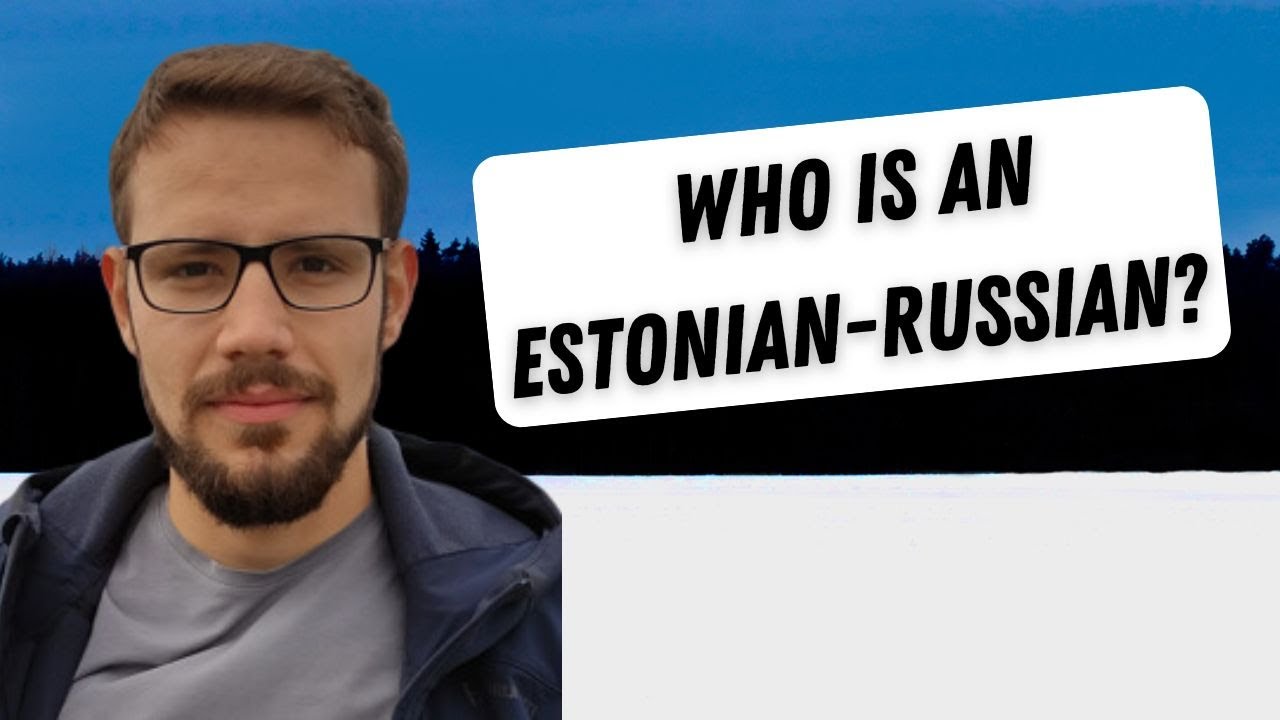
The Real Question: Who Is an Estonian?
Citizenship is a legal definition. Identity is more complex.
One practical definition could be:
An Estonian is someone who speaks the language and sees their future in Estonia.
Speaking Estonian sustains the culture. Seeing your future in Estonia motivates contribution. Together, they form belonging.
Ethnicity alone does not define Estonia anymore. Nor does birthplace. Contribution and commitment matter.
Life in Estonia is no longer a closed story. It is evolving.
The Future of Identity in Estonia
The separation between bubbles is shrinking, especially among younger generations.
New media in Russian produced in Estonia, full Estonian-language school reforms, and increased daily interaction are changing the landscape.
The future of Estonia will not be defined by division, but by integration built on language, participation, and shared civic responsibility.
Identity is not static. It is constructed.
And in modern Estonia, that construction is still ongoing.