
What Is Life Like as an Estonian Man? An Honest Look at Life in Estonia
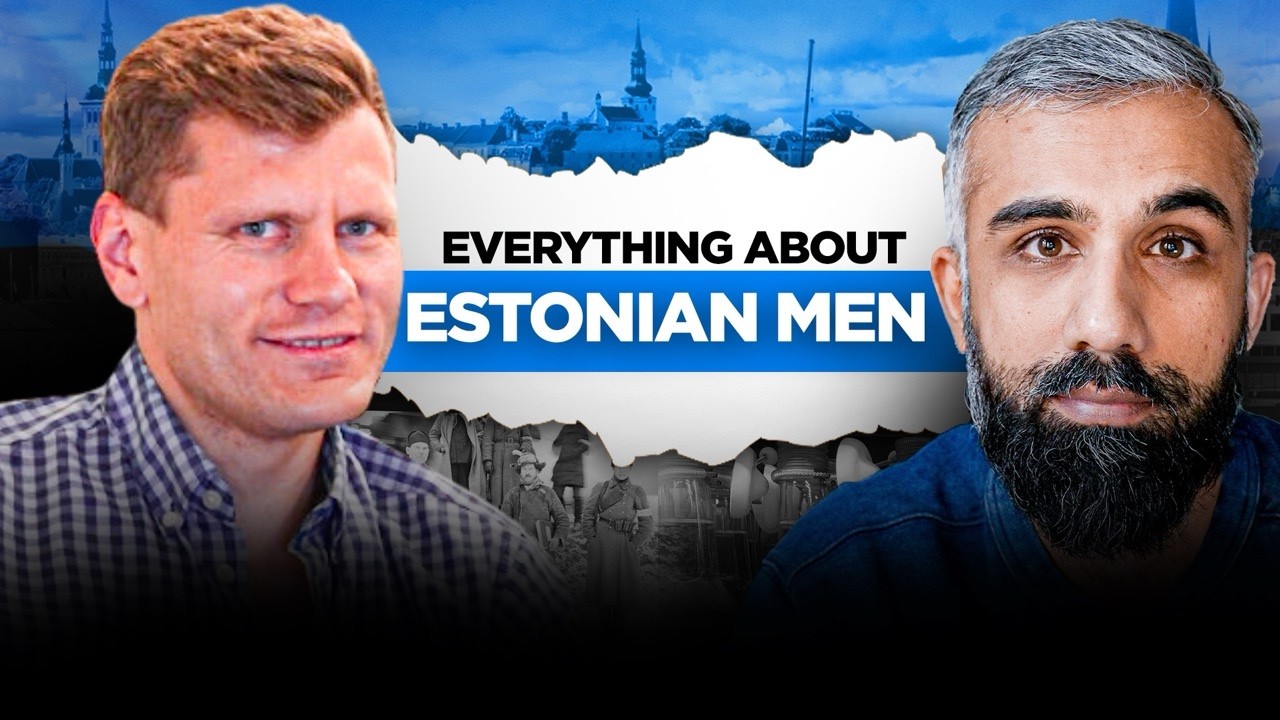
Life in Estonia is often described through big ideas: digital government, Nordic efficiency, quiet cities, and progressive values. But one perspective rarely explored in detail is what life in Estonia feels like for Estonian men themselves—how they grow up, form relationships, deal with emotions, family, work, and mental health.
This article is based on a long-form conversation with an Estonian man who grew up in the 1990s and has lived through Estonia’s rapid transformation. It is not a stereotype, nor a definitive rulebook. Instead, it is a grounded, lived account of life in Estonia from a male perspective, shaped by history, culture, and quiet expectations.
Growing Up Male in Estonia: Childhood After Independence
For men who grew up in Estonia in the 1990s, childhood coincided with a country finding its feet again after regaining independence.
In cities like Tartu, childhood was marked by safety and independence. It was normal for young children to take public transport alone, walk across town, and manage their daily routines early. This early independence shaped how Estonian boys learned responsibility and self-reliance.
Foreigners were rare. Outside of small Russian-speaking communities, Estonia in the 1990s was ethnically homogenous. Seeing someone from outside Europe was unusual, sometimes almost exotic. This had a long-term effect on how Estonian society—and Estonian men—approached difference and openness later in life.
Education also played a central role. Tartu, as a university city, normalised academic ambition. Students were visible everywhere, and learning felt like a natural part of the environment rather than a forced obligation.
Discipline, Sports, and Pressure
A defining feature of male childhood in Estonia is structure.
Many boys were enrolled in sports, music, or competitive activities early on. Swimming, athletics, cycling, and team sports were common. Not everyone participated, but compared to many countries, physical activity was unusually widespread.
School workload was heavy. Even as children, many Estonian boys remember feeling constantly busy, juggling classes, homework, and extracurriculars. Free time was limited, and the expectation to cope quietly was strong.
This combination—discipline, pressure, and limited emotional expression—became a recurring theme later in life.
Emotional Reserve: Why Estonian Men Struggle to Open Up
One of the most common observations—especially from foreigners and Estonian women—is that Estonian men struggle with emotional expression.
This is not accidental.
For many families, emotional distance was inherited rather than chosen. Estonia’s 20th-century history—occupation, war, deportations, and loss—left deep psychological marks. Many fathers and grandfathers lived in survival mode. Emotional openness was a luxury, not a skill.
Men learned to endure rather than explain.
This pattern passed down quietly. Not through explicit teaching, but through absence: absent conversations, absent vulnerability, absent role models for emotional expression.
Alcohol and Coping in Life in Estonia
Alcohol plays a complicated role in life in Estonia, particularly for men.
Historically, alcohol was one of the few socially acceptable ways for men to release emotion. It lowered inhibitions, made conversation easier, and briefly dissolved emotional barriers. For many, it became the only context where honesty felt possible.
At the same time, Estonia has been actively trying to reduce alcohol dependency. Public health policies, cultural shifts, and changing attitudes among younger generations are reshaping this relationship.
Younger Estonians—especially men—are increasingly choosing non-alcoholic lifestyles, prioritising fitness, mental clarity, and long-term health. Non-alcoholic drinks, gyms, and outdoor sports have become part of everyday life in Estonia.
Fatherhood, Family, and Changing Masculinity
Another major shift in life in Estonia is how men approach family.
Older generations often equated masculinity with provision: working long hours, staying emotionally distant, and enduring silently. Today’s Estonian men—especially those in their 30s and 40s—are rethinking this model.
Modern Estonian fatherhood places more emphasis on presence. Spending time with children, sharing domestic responsibilities, and prioritising emotional availability are increasingly valued.
This transition is not always smooth. Many men are learning skills they were never taught, often through trial and error.
Mental Health: From Silence to Slow Change
Mental health remains one of the most sensitive topics in Estonia.
During Soviet times, mental health was binary: you were either “fine” or “institutionalised.” There was no language for anxiety, burnout, or emotional overload. That legacy lingers.
Today, attitudes are slowly changing. Therapy, counselling, and men’s support groups—often called meeste ringid—are becoming more visible. These spaces allow men to speak without alcohol, hierarchy, or professional status defining their worth.
What makes these groups effective is not advice, but witnessing—seeing other men articulate struggles that once felt isolating.
Why Estonia Shapes Self-Reflection
One unexpected truth about life in Estonia is how quiet and minimal the environment is.
There is less noise, fewer distractions, and less pressure to constantly perform. For many men—especially immigrants and returnees—this creates space for introspection.
Without constant stimulation, unresolved issues surface. This can be uncomfortable, but also transformative. Estonia often forces people to confront themselves rather than escape inward work through consumption or distraction.
The Core Lesson of Life in Estonia for Men
Perhaps the most important takeaway is this:
Life in Estonia teaches men responsibility for their own inner lives.
Happiness is not outsourced—to work, family, or society. Emotional health is not assumed. Masculinity is not loudly defined.
For some, this feels cold. For others, it is deeply freeing.
Estonian men are not emotionless. They are often emotionally economical—careful with words, slow to open, but deeply loyal and reflective once trust is established.
Final Thoughts
There is no single way to define life in Estonia, and no single way to define an Estonian man. But understanding the historical weight, cultural restraint, and quiet expectations helps explain patterns that outsiders often misread.
Life in Estonia does not reward loudness. It rewards consistency, self-awareness, and inner work.
And for men willing to engage with that process, Estonia can be a place not just to live—but to understand themselves better.