
Why Estonia Needs More Foreigners — and Why Retaining Them Matters Even More
Estonia has built a global reputation as a digital-first, startup-friendly country. From e-Residency to unicorn companies like Bolt and Wise, the country consistently attracts international talent. On paper, Estonia looks like a perfect destination for skilled foreigners.
But life in Estonia reveals a deeper challenge—bringing people in is not the hard part. Helping them stay is.
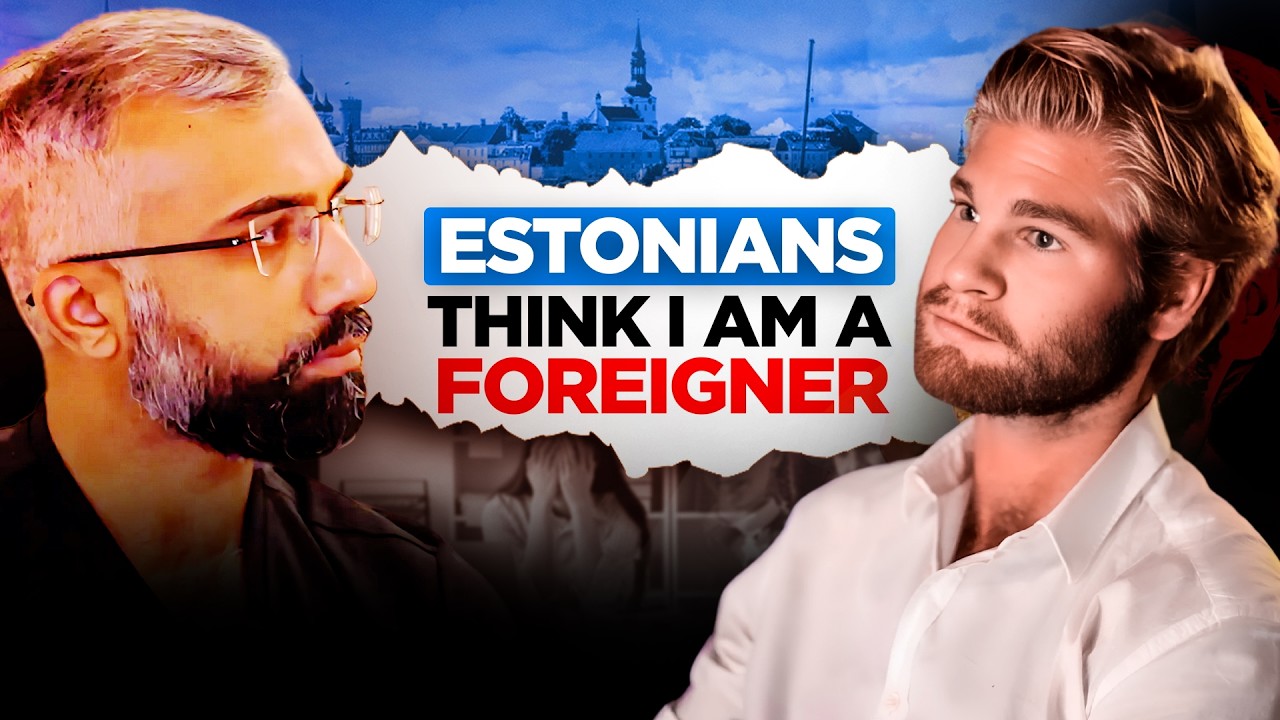
This article is based on an in-depth conversation with Markus Milder, founder of Daily Meetups, a grassroots community platform that tackles one of Estonia’s most under-discussed issues: loneliness and social isolation, especially among foreigners.
Estonia’s Talent Strategy: Strong Entry, Weak Retention
Estonia is very good at attracting foreigners.
Competitive startup ecosystem
Strong tech jobs
Efficient digital services
Safe, quiet, and well-organised society
Most foreigners arrive with a job offer. That part works.
Where things begin to fail is after arrival.
Many expats discover that life in Estonia is socially demanding. Making friends takes time. Integrating with locals is difficult. Outside of work, social life can feel limited—especially for people coming from more communal cultures.
As Markus puts it:
People don’t leave Estonia because of weather, taxes, or bureaucracy. They leave because they don’t find their people.
Loneliness: The Real Cost of Life in Estonia
Loneliness is not unique to Estonia, but it hits harder here due to cultural and historical reasons.
Estonia’s reserved social culture is shaped by centuries of occupation, survival mentality, and distrust of strangers. This affects both locals and newcomers—but foreigners feel it immediately because they have a comparison point.
For many expats:
Work relationships stay professional, not personal
Social circles don’t form naturally
Everyday interactions feel distant
Over time, this leads to a simple decision: stay or leave.
And many leave.
Why Community Is a National Issue, Not a Personal One
Replacing a skilled foreign worker is expensive. Research shows it can cost 6–12 months of salary to recruit, onboard, and train a replacement.
Yet most companies—and institutions—focus almost exclusively on:
Hiring
Immigration quotas
Work permits
Very little attention is paid to social integration, even though it directly affects retention.
Markus argues that community building has real economic value:
Employees who feel connected stay longer
Companies reduce churn
Estonia’s global reputation improves organically
A good experience in Estonia turns foreigners into long-term residents—or lifelong ambassadors.
Daily Meetups: Solving a Problem the System Ignores
Daily Meetups was created to address exactly this gap.
Instead of one-off networking events, it offers:
Recurring weekly activities
Familiar faces over time
Low-pressure social environments
This consistency matters. Friendships don’t form in one evening. They form through repetition.
Board games every Monday. Discussions every Tuesday. Walks, workshops, and casual meetups throughout the week.
It sounds simple—but it works.
And it highlights a key truth about life in Estonia:
People don’t need more information. They need human connection.
Why Estonia Needs Foreigners — Long Term
Estonia’s population is small and shrinking. Birth rates are low. Over the next century, demographic pressure will intensify.
If Estonia wants to:
Maintain economic growth
Sustain its defense and sovereignty
Stay relevant in a globalized world
It needs people.
Not just temporarily—but integrated, invested residents.
That requires more than visas and job offers. It requires welcoming environments, social bridges, and cultural openness.
Integration Starts With People, Not Policy
State institutions do valuable work—settlement programs, seminars, legal guidance. But they are limited by bureaucracy.
What they cannot do easily:
Speak honestly about social realities
Recommend trusted grassroots communities
Create organic human connections
That’s where individuals and local initiatives matter.
A simple conversation at a bar.
Inviting a foreign colleague to a casual meetup.
Normalising English conversations without awkwardness.
These small acts shape life in Estonia more than any brochure ever could.
The Bigger Picture: Reputation Is Built Through Experience
Foreigners who leave Estonia still talk about it.
The question is: what do they say?
If their experience was isolating, Estonia loses quietly.
If their experience was meaningful, Estonia gains influence far beyond its borders.
In a world where perception matters, life in Estonia is Estonia’s strongest long-term asset—but only if people are willing to share it.