

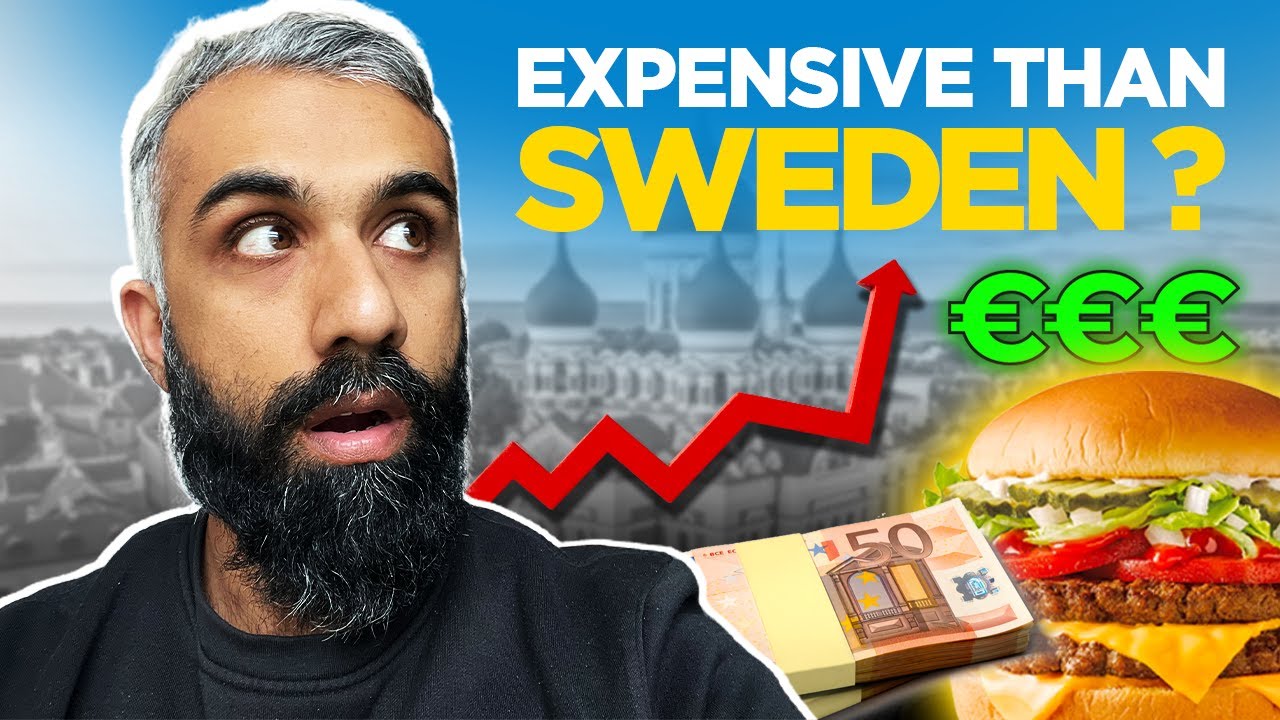

Has Estonia Become Unaffordable?
How rising prices are reshaping daily life in Estonia?
K: Killer First Line
A double cheeseburger in Sweden costs around €2.70. In Estonia, the same burger now costs over €5. The irony? Sweden’s median income is almost twice as high. So what’s really happening with the cost of life in Estonia?
F: Fluent Narrative
A few years ago, Estonia was often praised as an affordable Nordic alternative, a digital paradise where you could enjoy European living standards without Scandinavian prices. But as prices for groceries, housing, and electricity have climbed sharply, many locals and expats are asking the same question: is Estonia still affordable?
The McDonald’s Indicator
Let’s start with something simple.
A double cheeseburger ordered in Sweden through the food delivery app Wolt costs about 33 SEK (€2.70). The same burger in Estonia costs around €5.30.
And that’s not an isolated case. Sweden’s median income is roughly €3,200, while Estonia’s is closer to €1,500. Yet for many essential goods, prices are nearly the same or even higher in Estonia.
Comparing Estonia and Finland
A recent Postimees article compared grocery prices between Estonia and Finland, and the findings were surprising.
Cheese: 20% more expensive in Estonia
Milk: 16% more expensive in Estonia
Oat milk: €1 more in Estonia
Potatoes: €2.50 for 2 kg in Estonia, under €2 in Finland
Pork, beef, and salmon: roughly the same in both countries
That means everyday grocery shopping in Estonia can now match or exceed prices in its wealthier northern neighbor.
And remember, Finland’s average income is about twice Estonia’s.
Why Are Prices Rising in Estonia?
Several major factors have converged to push prices up faster than wages.
1. Energy Costs:
After the start of the war in Ukraine, electricity prices in Estonia skyrocketed. What once cost 25 euros per megawatt-hour surged to over 150 euros, a sixfold increase.
This ripple effect has driven up costs for transport, food, and manufacturing.
2. Import Dependence:
Estonia imports most of its food and consumer goods. Because it’s a small market, importers raise margins to stay profitable, which inflates prices across the board.
3. Housing Costs:
Housing in Estonia has doubled in price in the last decade, the highest increase in the entire Eurozone. Tallinn rents remain cheaper than in Helsinki, but relative to salaries, they’re increasingly difficult to manage.
The Unequal Impact
Affordability depends entirely on your income bracket.
If you’re a tech professional earning €3,500 or more, you’ll likely find Estonia manageable. But for pensioners, teachers, police officers, and service workers, the story is very different.
According to the IMF, the lowest 20% of income earners in Estonia have seen their expenses rise by 25%, while in Finland the same group’s expenses rose by only 4%.
In short, everyday life in Estonia has become dramatically harder for those on modest incomes.
C: Crunchy Conclusion
So, has Estonia become unaffordable?
For high earners and remote workers, Estonia can still feel comfortable and efficient. For many locals, however, life in Estonia has grown far more expensive than their salaries can support.
Inflation, rising rents, and high energy costs have outpaced wage growth, leaving many to choose between cutting back or finding new income streams.
The Real Takeaway
Saving won’t fix this. The only sustainable way forward, in Estonia or anywhere facing similar pressures, is to earn more, diversify income, and adapt.
Life in Estonia remains beautiful, digital, and organized, but it’s no longer cheap.
The question isn’t just whether Estonia is affordable. It’s whether the promise of living here still outweighs the growing price tag.


This is a very good tips especially to those new to blogosphere, brief and accurate information… Thanks for sharing this one. A must read article.